Globle Unlimited: Discover the Exciting World of Country Names!
07.02.2025
Introduction to Country Names
Welcome to "Globle Unlimited: Discover the Exciting World of https://connections-nyt.org/globle-unlimited.html Country Names!" In this section, we will delve into the fascinating realm of country names and their origins. Country names are not just labels; they often hold rich historical, cultural, and geographical significance. Understanding the etymology and meanings behind these names can provide valuable insights into the essence of each nation.
From the majestic mountains of Switzerland to the vibrant streets of Brazil, each country's name tells a story. Some names are derived from geographical features, such as rivers, mountains, or forests, while others reflect the cultural heritage or historical events that shaped the nation. For example, the name "Australia" comes from the Latin word "Australis," meaning southern, highlighting the country's location in the Southern Hemisphere.
Exploring country names can also shed light on the diverse languages and dialects spoken around the world. Many names have roots in indigenous languages, ancient civilizations, or colonial influences, showcasing the linguistic tapestry of our planet. Whether it's the lyrical sound of "Italy" or the exotic allure of "Thailand," each name carries a unique melody that resonates with its people.
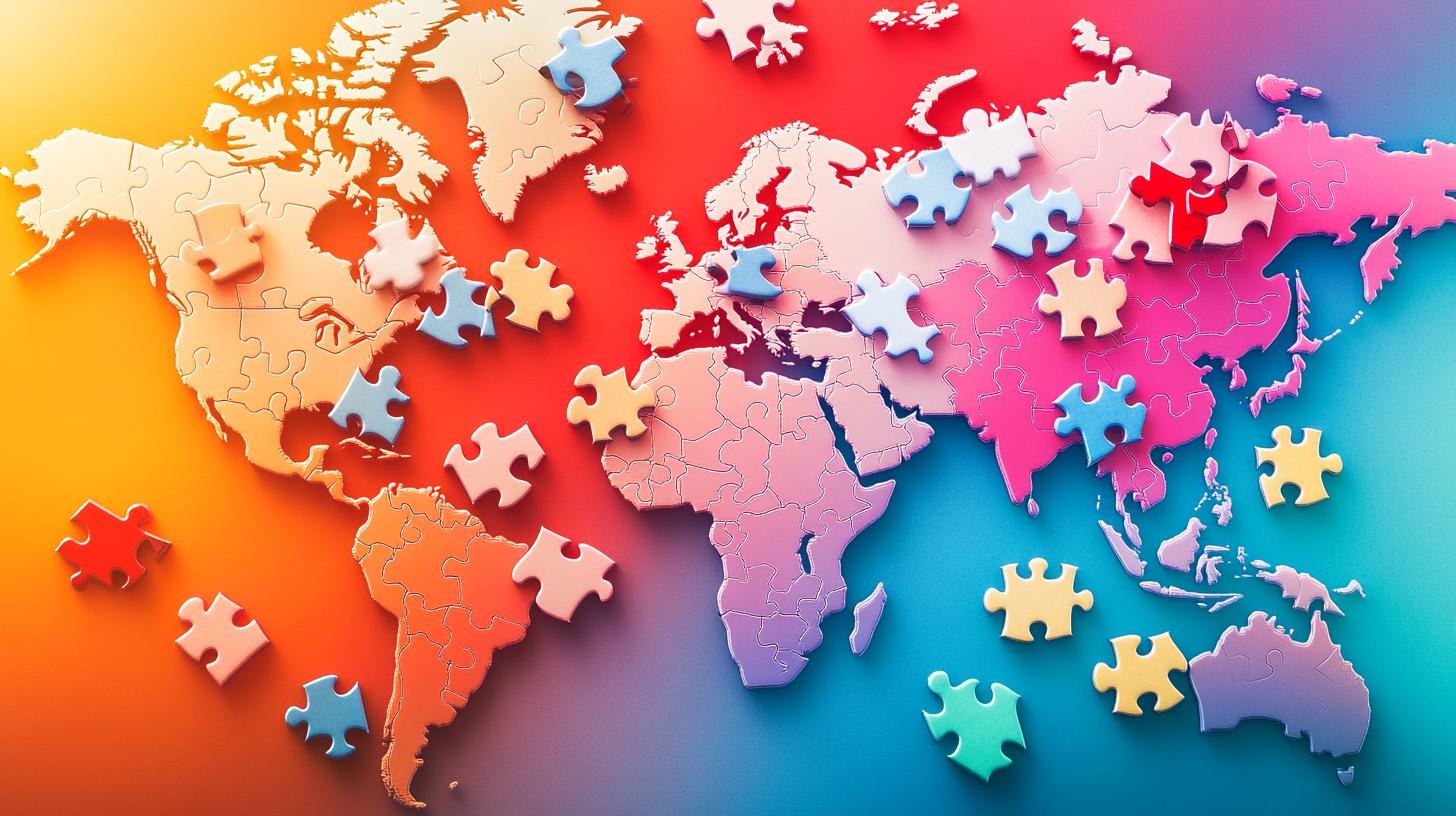


Join us on a journey through the enchanting world of country names, where every syllable is a thread in the intricate tapestry of global diversity. Discover the hidden meanings, cultural nuances, and linguistic treasures that await as we unravel the mysteries behind the names that define our world.
The Significance of Country Names
Country names hold a wealth of historical, cultural, and geographical significance that often goes unnoticed in our daily lives. Each country's name is a reflection of its unique identity, heritage, and sometimes even its aspirations. Understanding the origins and meanings behind these names can provide valuable insights into the rich tapestry of the global community.
Many country names are derived from a variety of sources, including geographical features, historical events, and indigenous languages. For example, the name "Australia" is believed to come from the Latin word "australis," meaning southern, due to its location in the Southern Hemisphere. Similarly, the name "Japan" is thought to have originated from the Chinese word "Riben," which translates to "origin of the sun," reflecting Japan's position to the east of China.

Some country names are more symbolic in nature, representing ideals or values that the nation holds dear. The United States, for instance, embodies the concept of unity among its diverse states, while France's name is associated with freedom and equality, stemming from the French Revolution.
Additionally, colonial influences have left their mark on many country names, with former colonies often bearing the names of their colonizers. This legacy serves as a reminder of the complex histories and power dynamics that have shaped the modern world.
In conclusion, the names of countries are not merely labels but windows into their past, present, and future. By delving into the significance of country names, we can gain a deeper appreciation for the diverse cultures and histories that make up our global society.

Uncovering the Origins of Country Names
Exploring the fascinating world of country names unveils a rich tapestry of history, culture, and geography. The names of countries often carry deep meanings and tell captivating stories of their origins. Let's delve into the etymology of some well-known country names to uncover the intriguing roots behind them.
- France: The name "France" traces its origins to the Latin word "Francia," meaning "land of the Franks." The Franks were a Germanic tribe that played a significant role in shaping the region's history.
- Japan: The name "Japan" is believed to have derived from the Chinese term "Riben," which translates to "origin of the sun." This name reflects Japan's position to the east of China, where the sun rises.
- Brazil: The name "Brazil" is thought to have come from the Portuguese word "pau-brasil," referring to a type of redwood tree found in the region. The country was named after this valuable natural resource.
- Australia: The name "Australia" is derived from the Latin word "Australis," meaning "southern." It was chosen as the country's name due to its location in the Southern Hemisphere.
- Egypt: The name "Egypt" has its roots in the ancient Egyptian term "Hwt-ka-Ptah," which means "House of the Ka of Ptah." Ptah was an ancient Egyptian deity associated with creation and craftsmanship.
By exploring the origins of country names, we gain a deeper understanding of the diverse cultures and histories that have shaped our world. Each name carries a unique story, connecting us to the past and the people who have inhabited these lands for centuries.
Fun Facts about Country Names
Have you ever wondered how countries got their names? The world is full of interesting and unique country names that often have fascinating origins. Here are some fun facts about country names that will pique your curiosity:
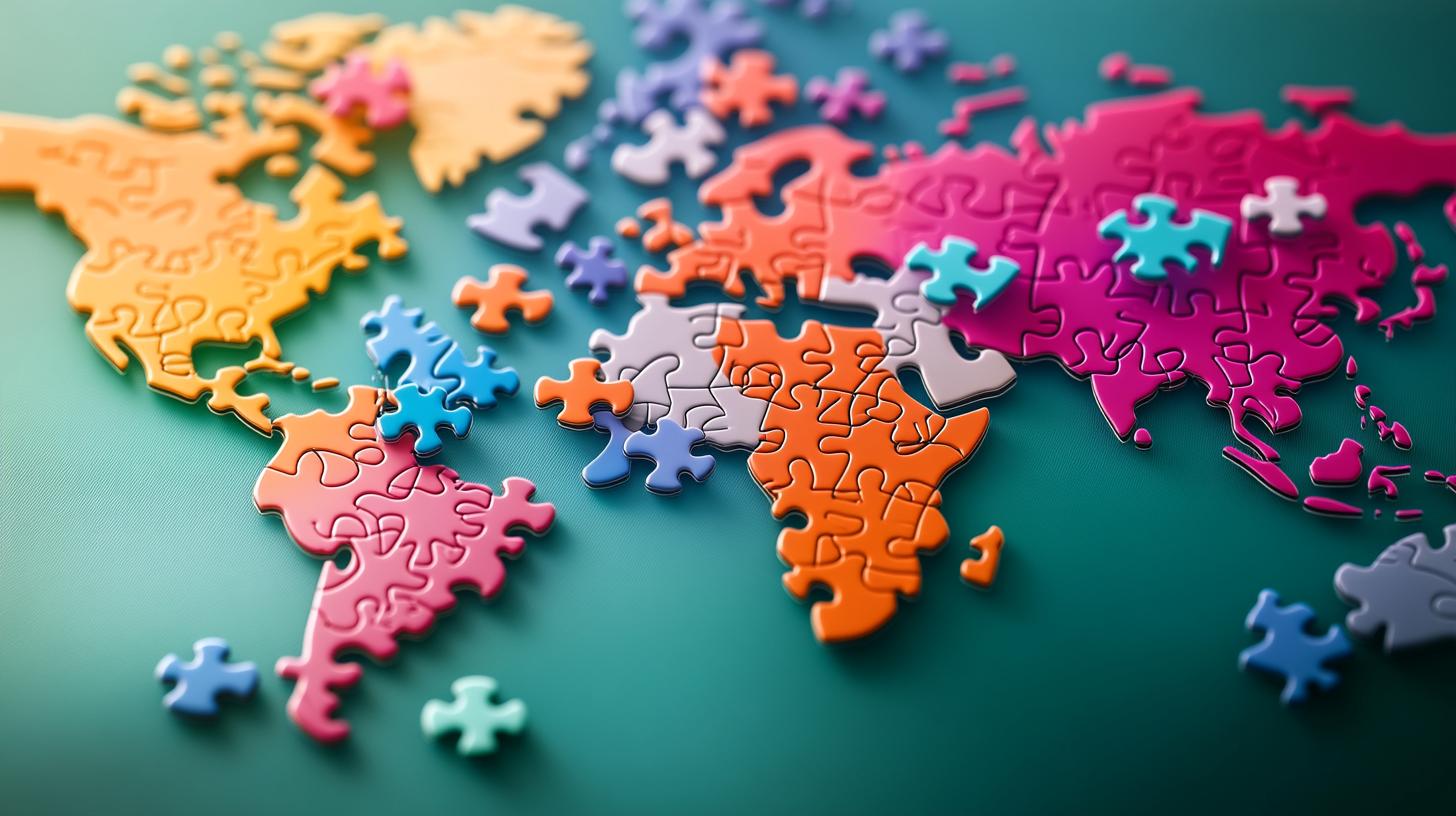
- The name "Canada" is believed to come from the St. Lawrence Iroquoian word "kanata," which means "village" or "settlement." French explorers used this term to refer to the area around present-day Quebec City.
- The name "Australia" is derived from the Latin word "australis," meaning "southern." It was first suggested by the British explorer Matthew Flinders in 1804 and officially adopted as the country's name in 1824.
- The name "Japan" comes from the Chinese characters "日本," which can be translated as "sun origin." This name reflects Japan's position to the east of China, where the sun rises.
- The name "Mexico" is believed to have originated from the Nahuatl word "Mēxihco," which means "in the navel of the moon." This name was used to refer to the Aztec capital city of Tenochtitlan, which is now modern-day Mexico City.
- The name "Iceland" may seem straightforward, but it is said to be a bit of a misnomer. The island was named by the Viking explorer Hrafna-Flóki Vilgerðarson, who was not pleased with the harsh winter conditions he encountered. He named the island "Iceland" to deter others from settling there, while he named the nearby island of Greenland to attract settlers.
These are just a few examples of the intriguing stories behind country names. Next time you look at a map, take a moment to appreciate the history and meaning behind the names of the countries you see.
Conclusion: Embrace the Diversity of Country Names
In conclusion, the exploration of country names reveals a rich tapestry of linguistic diversity and cultural heritage. Each country name carries with it a unique history, reflecting the traditions, geography, and people of the land it represents. Embracing this diversity of country names allows us to appreciate the interconnectedness of the global community and the beauty of human expression through language.
By delving into the origins and meanings of country names, we gain a deeper understanding of the world around us and the interconnectedness of nations. Whether it's the poetic sound of "Argentina," the ancient roots of "Egypt," or the symbolic significance of "Japan," each country name tells a story that enriches our knowledge and appreciation of different cultures.
As we continue to explore the exciting world of country names, let us celebrate the diversity and uniqueness of each name. Let us recognize that behind every country name lies a complex history and a vibrant culture waiting to be discovered. Embracing the diversity of country names is not just about words on a map, but about honoring the richness of human experience and the beauty of our shared global heritage.
In the end, Globle Unlimited invites you to embark on a journey of discovery through the fascinating world of country names. Embrace the diversity, cherish the history, and revel in the beauty of linguistic expressions that unite us all as citizens of the world.